 
|
|
|
SUREFIRE G2L-BK FLASHLIGHT |
|||||||||||||||||||
|
|
|||||||||||||||||||
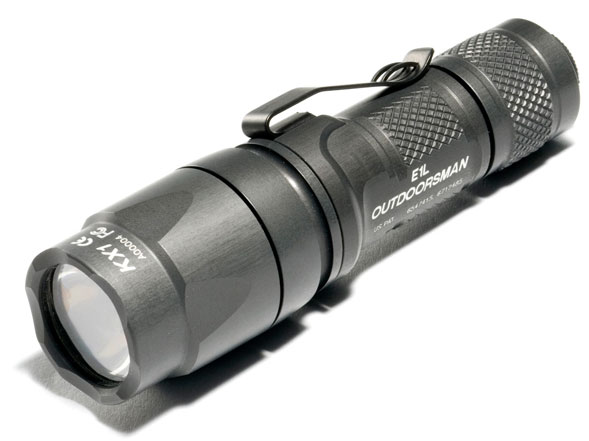
Brand New In The Box Retail $64.99 SUREFIRE G2 LED LAMP FLASHLIGHT
Compact (pocket sized), high-intensity LED flashlight for tactical, outdoor, and general use. Puts out a smooth, brilliant beam with four times the light of a larger two-D-cell flashlight—bright enough to temporarily blind and disorient a person by impairing his night-adapted vision. And it continues producing useful light levels for an impressive 12 hours on a single set of batteries. Constructed of lightweight, corrosion-proof Nitrolon® and aerospace-grade aluminum. Body features molded-in grid for a secure grip in the wettest conditions. Small size, high output, and extended runtime make it perfect for self-defense, camping and backpacking, emergency/disaster-preparedness kits, or everyday carry. FEATURES
Light-Emitting Diodes (LED's) |
|||||||||||||||||||


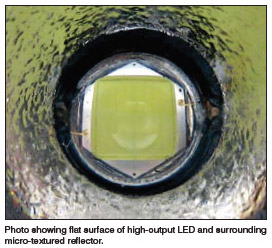
 An LED (the acronym for Light-Emitting Diode) is a semiconductor “chip” that converts electrical energy directly into light. An LED is called a solid-state light source because it has no gas or liquid components, as do other light sources. The LED's in SureFire flashlights consists of the emitter chip mounted on a solid base; the chip is attached to electrical leads (wires) that conduct power to it, and it is encased in a clear polymer that is shaped to either focus or disperse the LED’s light in the desired manner.
  because LED's are very robust in construction, and have no mechanically delicate parts such as glass bulbs, filaments, or filament supports, they are extremely resistant to vibration and shock, making them well-suited for the combat environment or for mounting on firearms. Third, LED's produce virtually no invisible infrared radiation, as opposed to incandescent lamps, which emit over 85% of their output as infrared, and therefore LED's are much more efficient in producing light than incandescent lamps — an important factor for battery-operated flashlights. And fourth, they will emit light over a wide range of power input making LED's the natural choice for adjustable-output light sources.
 Terms & Conditions:
- Please e-mail us with any questions prior to bidding.
- We accept PayPal, Checks and Money Orders (I WILL ONLY ACCEPT 7-Eleven and U.S. POSTAL MONEY ORDERS ONLY.)
-
We will Deny Payments with out a PayPal Confirmed Address.
- So please use a Check or Money Order (7-Eleven and U.S. POSTAL MONEY) if your PayPal Shipping Address is not confirmed.
- Please contact us within 3 days from an auction end date.
- Payment must be received within 12 days of auction close.
- Buyer is responsible for a $25 fee charged by my bank for any returned checks due to insufficient funds.
- Remember: Both charges for customs clearance and/or import duties may be charged once your order reaches your country. Customs policies vary between countries, we advise you to contact your local customs office for further information. We Will Not mark your package as a Gift to avoid fees. We Will Not create an alternative invoice to avoid fees. We Will Not modify description contents to avoid fees
- All items are shipped within 3 business days of payment. One day 95% of the time.
- Please allow 4-12 days for delivery.
- If you choose not to insure this item, I cannot be held responsible for lost, damaged or misplaced shipping.
Return Policy:
- If you feel there was a mistake in the description with your purchase, we can work together to resolve the problem. I have always been extremely fair and always try to work with my reasonable customers. I want you to be 100 percent satisfied with your purchase, please email me first and I will work with you to resolve any concerns you may have if we made a mistake.(It happens). Please do not assume the mistake is intentional.Negative feedback doesn't go away and should only be left as a last resort! We strive for positive feedback, harmonious relations and even some friendships with our customers.
- We try to be fair and accurate with all my auctions and descriptions. Please read each auction and bid carefully. This is not a retail store, all sales are final. We do not accept returns without authorization. We do not offer refunds on any item unless is grossly misrepresented. If a refund is given it will only be for the cost of the item. Shipping and Handling is non refundable. Restocking and other fees may be charged to cover posting fees and any other cost incurred in the sale of the item.
 |